
Your ideal clients are searching for help right now. Is your practice showing up?
Therapy is a trust-based profession. People don't browse therapy providers casually as they search when they need help, and they click on results that feel credible, local, and relevant.
SEO is about ranking your first above your competitors. It’s about making sure your website appears when someone in your service area searches for specific keywords.
By ranking first, you get roughly 30% of the clicks from a given search term. This can be huge if the space is heavily competitive. SEO is all about relevancy, authority and content

Start by verifying your listing at business.google.com, then fill in every section opening hours, services, description and contact details. Add professional photos of your practice space or a headshot, and pick accurate categories such as "Mental Health Service" or "Psychologist."
Encourage genuine client reviews and reply to every one of them. Nailing your Google Business Profile ranking matters because the profile feeds the local map pack the three listings that appear above regular results. For searches like "therapist Manchester," that's prime real estate, and it's free.
Make sure to focus on getting reviews from customers, ask they to be descriptive as possible as this helps influence ranking.


Consider what individuals are searching for when making those searches. Entering "symptoms of depression" indicates the individual wants information, while entering "find a therapist London" suggests the individual is prepared to make an appointment. Write the information in line with their goal.
The entire web page should be focused on helping them meet their goal, and using relevant headings will help.
Think about what the individual might ask for example, "How to Cope with Anxiety" and provide the full answer before requesting any further action. This is because Google favours pages that fulfil the user's goal. When someone finds you and sticks around, Google knows you have provided them the answer.
Backlinks are like votes of confidence from other websites and are one of the most important elements of ranking a website.
Earn them by guest posting on mental health blogs or wellness publications, contributing quotes to journalists through services like Help a Reporter, and partnering with local organisations, schools or wellbeing groups. It is very important to steer clear of buying links or using link farms they hurt far more than they help.
If you are paying someone for SEO services then it is important to check how they are getting their links, the quality of link placements and weather or not these links would remain after stopping any SEO contract. One link from a trusted mental health charity carries far more weight than a hundred from low-quality directories, because backlinks aren't created equally.

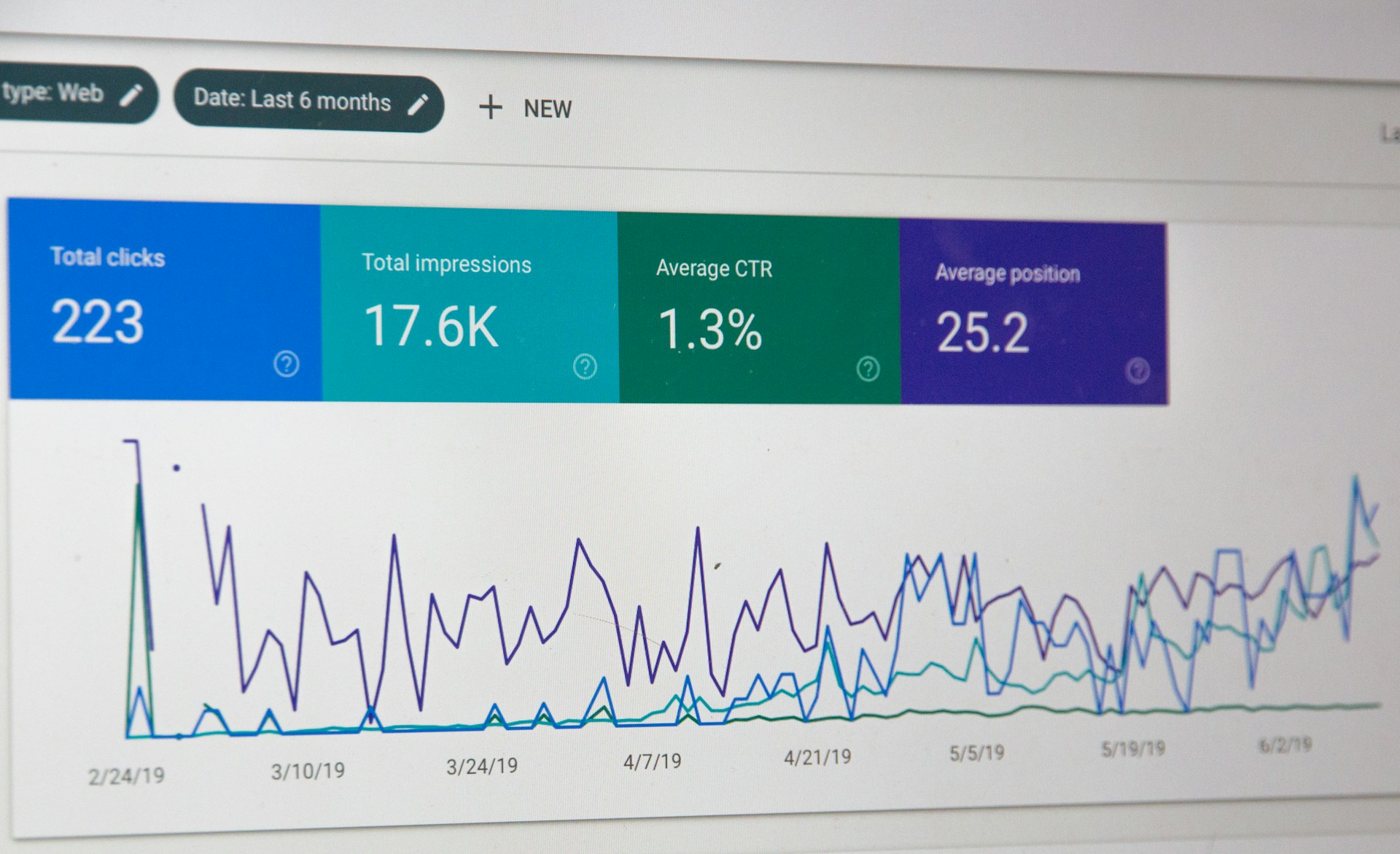
Set up Google Search Console (it's free) to monitor your impressions, clicks and rankings, and consider tools like SEMrush, Ahrefs or BrightLocal for keeping an eye on competitors.
Set alerts so you hear about big drops straight away, and review everything monthly what improved, what slipped, and what needs attention?
Rankings shift constantly, so checking daily SERP position rankings for your specific keywords helps you spot fluctuations early rather than discovering a problem weeks later. Without that data you're flying blind. Tracking regularly lets you catch issues fast and double down on whatever's working.

Therapy is seldom practiced in isolation, and your future clients will often be seeing their life coaches, nutritionists, psychiatrists, GPs, or Employee Assistance Programmes. These connections are the beginning of the relationship. Exchange your website listing and have a link to each other’s resources, write guest posts for wellness blogs or get them to write for yours a nutritionist for "How Food Affects Your Mood" and you for "When Therapy is Needed."
Jointly host seminars and link to each other's event pages, get a profile link wherever you show up in the partner’s directory and remember that the release of the joint campaign should include everyone's name. Links from credible sites are good trust markers, and having an endorsement from the local GP practice is worth more than fifty directory listings.

There is a persistent myth in the SEO world that simply refreshing content will magically increase rankings. Truth be told, updating a page without other changes happening at the same time has little effect on rankings.
While Google does use "query-dependent freshness" (which is recency when talking about trends or time-sensitive queries), there is no universal freshness ranking multiplier. An updated blog post from 2023 will not improve rankings in any way. The only thing that will change the rankings is the creation of new backlinks by the updated content.
Here's the deal, you are not ranking because of the date. You are ranking because the update got noticed and cited enough to generate more backlinks. An outdated guide which continues to get links will outrank an up-to-date one with zero links.
What really impacts rankings:
New backlinks from related websites linking to your target page
Anchor text of the link showing topic relevance ("CBT techniques for anxiety" rather than "click here")
Organic engagement metrics (time on page, bounce rate, conversions).

☐ Backlinks to target pages — Earn links from relevant sites like mental health blogs, local businesses and wellness publications, and point them at the pages you actually want to rank. Homepage links spread the benefit thinly, because link equity flows to the specific destination.
☐ Descriptive anchor text — Use anchors that describe the page they point to, like "anxiety therapy techniques" rather than "click here." That tells Google exactly what the page covers.
☐ Internal linking for relevancy — Group related content into clusters and link your blog posts to your service pages and back again. A post about "signs of depression" should link to your "depression therapy" page using descriptive anchor text.
☐ External partnerships — Team up with complementary services — GPs, nutritionists, life coaches, yoga studios — for shared resource pages, guest posts or joint events. Every partnership is a chance to pass authority between trusted domains increasing your rankings.
☐ Google Business Profile optimised — Claim and verify your listing, then complete every section: hours, services, photos, description and categories. Our guide on how to rank higher in your Google Business Profile walks through the whole process.
☐ Recent reviews posted — Ask happy clients for genuine reviews and reply to every single one. Fresh, positive reviews signal activity and trustworthiness to Google and to prospective clients alike.
☐ Location-specific pages — Give each area you serve its own page (/therapy-manchester, /counselling-brighton) with unique content, local landmarks and an embedded map.
☐ Rank tracking set up — Use Google Search Console (it's free) or tools like SEMrush, Ahrefs or BrightLocal, and review monthly. Checking daily SERP position rankings for your specific keywords helps you catch fluctuations early, rather than finding out weeks later.
☐ Competitor gaps identified — Work out who outranks you for your core keywords, and where they have links you don't. Reverse-engineering their backlink profile shows you exactly where the openings are.